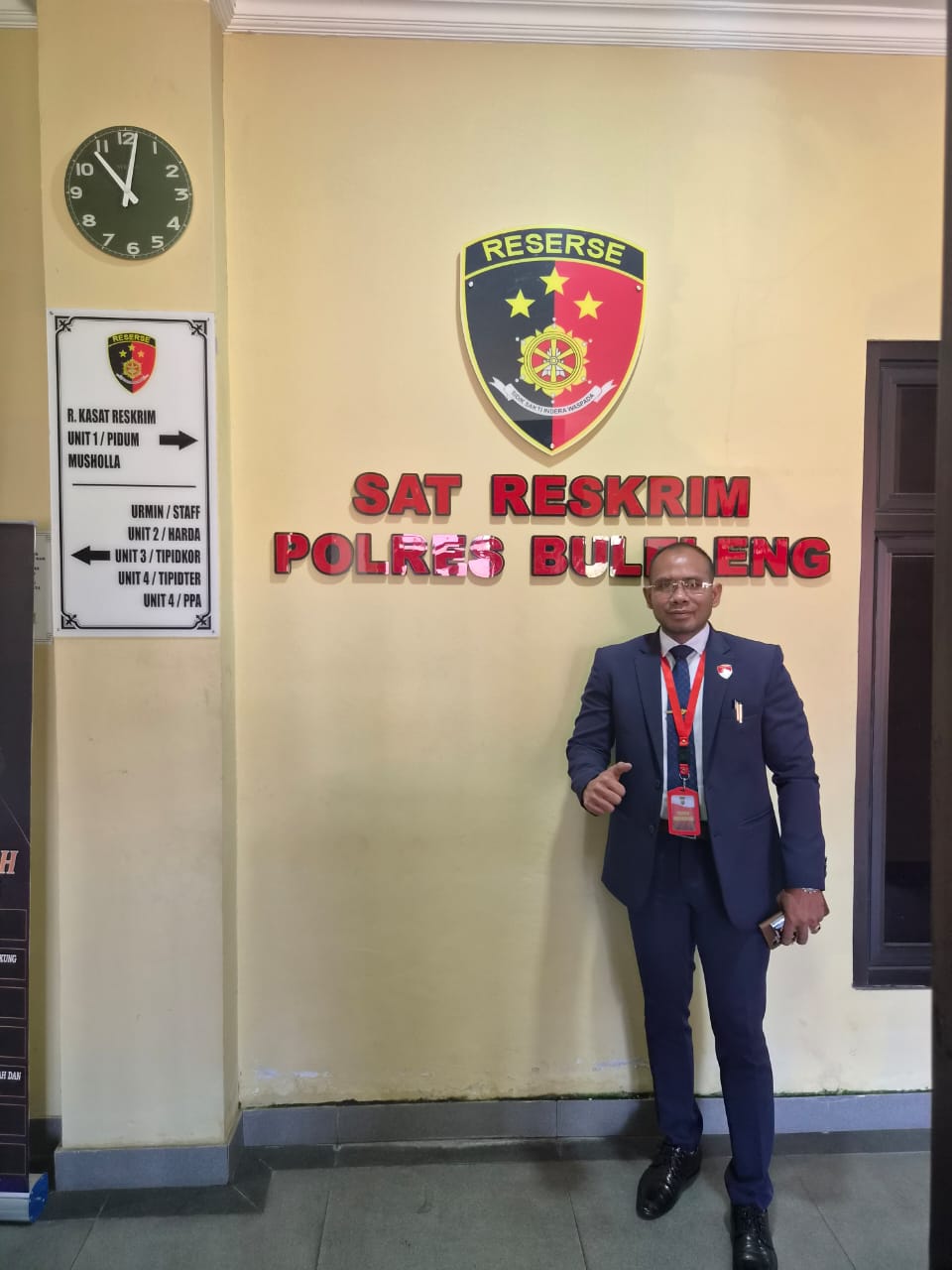
By Attorney RIKHARDUS IKUN, S.H., M.H., C.MSP., C.NSP., C.LFS., C.CPr.
Director of the LAW FIRM JAMES RICHARD AND PARTNERS.
CHAIRMAN OF THE BALI CHAPTER OF PERADI UTAMA.
⚖️
1. Definition
Money laundering offenses (TPPU) are acts intended to conceal or disguise the origin of assets known or reasonably suspected to derive from criminal activity. This practice can be carried out through financial transactions, asset transfers, the use of another party’s accounts, or the purchase of assets to disguise the source of illegal funds.
2. Legal Basis
The primary legal basis for TPPU is Law No. 8 of 2010 on the Prevention and Eradication of Money Laundering, specifically:
- Article 3: Regulates the act of depositing, transferring, disposing of, spending, or otherwise dealing with assets derived from criminal acts with the intent to conceal or disguise their origin.
- Article 4: Prohibits the concealment or disguise of the origin, source, location, intended use, transfer of rights, or actual ownership of assets derived from criminal offenses.
- Article 5: Covers the act of receiving or taking control of the placement, transfer, payment, gift, donation, deposit, or exchange of property known or reasonably suspected to be derived from a criminal offense.
3. Legal Consequences
Under Law No. 8 of 2010, the criminal penalties for offenders may include imprisonment and substantial fines. Articles 3 and 4 provide for a maximum prison term of 20 years and a maximum fine of 10 billion rupiah. Meanwhile, Article 5 provides for a maximum prison term of 5 years and a maximum fine of 1 billion rupiah.
The application of these articles and the severity of the penalties depend on the proven acts, the elements of guilt, and the applicable legal provisions.
4. Legal Opinion
Money laundering is a serious criminal offense that can undermine the integrity of the financial system and is used to conceal the proceeds of crime. Law enforcement efforts focus not only on the perpetrators of the underlying criminal offense but also on parties who knowingly participate in concealing or disguising assets derived from criminal activity.
However, a suspicious transaction or the receipt of a large sum of money does not automatically constitute money laundering. There must be relevant evidence to establish the elements of the crime in accordance with legal provisions. Therefore, examining the flow of funds, transaction documents, asset ownership, and links to the predicate offense are crucial components of the evidentiary process.
Conclusion
Every individual is obligated to ensure that their assets and financial transactions have legitimate and accountable sources. If suspected money laundering is discovered, the public may report the information to law enforcement authorities or the Financial Transaction Reports and Analysis Center (PPATK) in accordance with their respective jurisdictions. The handling of cases must uphold the principles of the presumption of innocence and legal certainty.
Note: This opinion is of a general nature for legal education and does not constitute a legal opinion on a specific case. The concrete application of the law must be tailored to the facts of the case and applicable regulations.