Essential Legal Guide for Foreign Nationals in Bali: Avoiding Risks and Securing Your Investments
By: Adv. I GEDE FERI KARDIANA, S.H., C.Neg.
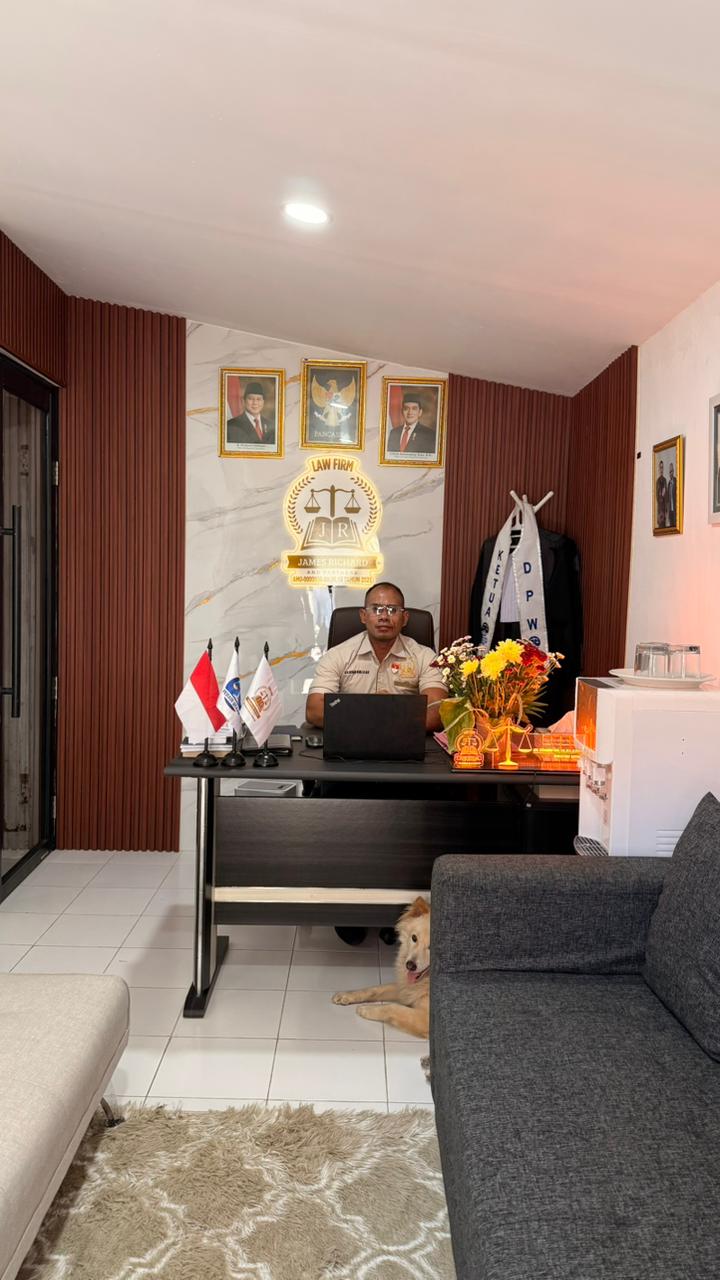
Partner at Law Firm James Richard & Partners
Bali offers endless opportunities for lifestyle, business, and property investment. However, the beauty of this island often makes expatriates and foreign nationals complacent, neglecting the critical importance of legal due diligence under Indonesian law.
As an advocate practicing in Bali, I frequently handle civil disputes, property issues, and immigration complications involving foreign clients. The reality is that the vast majority of these problems are highly preventable if expatriates understand the legal landscape from the very beginning.
Below is an educational guide detailing the most common legal pitfalls faced by foreigners in Bali, along with practical advice on how to avoid them:
1. Property Ownership Traps (The Nominee System)
The Issue:
Under Indonesian Agrarian Law, foreign nationals cannot own land under a Freehold title (Hak Milik). Unfortunately, many foreigners are misled into using a Nominee system—borrowing an Indonesian citizen's name—to purchase land. This practice is fundamentally illegal and unrecognized by Indonesian law. If the nominee passes away, divorces, or acts in bad faith, the foreign investor risks losing all rights to the property without any legal protection.
Legal Advice & Prevention:
- Abandon the Nominee Practice: Never use a local citizen's name to control land or property.
- Use Legal Avenues: Opt for a Leasehold agreement (Hak Sewa) for a specific, extendable period (e.g., 25–30 years), or secure a Right to Use (Hak Pakai) title directly under your own name (applicable if you hold a KITAS/KITAP).
- For large-scale investments, establish a Foreign Investment Company (PT PMA), which can legally hold a Right to Build (Hak Guna Bangunan / HGB) title.
2. Business and Contractual Disputes
The Issue:
Many foreigners conduct business transactions, property leases, or employment setups based solely on a "handshake" trust or by using standard contract templates downloaded from the internet entirely in English. Without adaptation to Indonesian positive law, these agreements become exceptionally weak when a breach of contract (wanprestasi) occurs.
Legal Advice & Prevention:
- Bilingual Format is Mandatory: According to Indonesian law, any agreement involving an Indonesian citizen or legal entity must be drafted in the Indonesian language (or in a bilingual format: Indonesian and English). If it is only in English, it risks being declared null and void.
- Clear Legal Clauses: Ensure your contract includes explicitly defined jurisdiction (Indonesian law) and dispute resolution clauses. Always engage a local advocate to draft and review your contracts, whether it is a Lease Agreement, Joint Venture, or Employment Contract.
3. Visa Misuse and Labor Law Violations
The Issue:
Foreigners frequently assume they can manage a business, work part-time, or operate as freelancers in Bali using a Visit Visa (Tourist Visa / VoA). This is a severe violation of the Indonesian Immigration Law, which routinely results in detention, deportation, and a lifetime ban (blacklist) from entering Indonesia.
Legal Advice & Prevention:
- Match Your Visa to Your Activities: If you intend to work, you must be legally sponsored by a company to obtain a Working KITAS (Index 312). If your goal is to run a business, you must establish a PT PMA and utilize an Investor KITAS.
- Never accept financial compensation for services within Indonesia if your visa status is strictly for tourism. If you are subjected to an immigration inspection, contact your legal counsel immediately.
4. The Wrong Approach to Dispute Resolution
The Issue:
When disputes arise—whether it is a local contractor delaying villa construction, a land boundary dispute, or an employment conflict—foreigners often react emotionally. Rushing to make the issue "viral" on social media or immediately threatening litigation can severely backfire. Going viral can lead to criminal defamation charges under the Electronic Information and Transactions (ITE) Law, while rushing to court triggers a lengthy and expensive process.
Legal Advice & Prevention:
- Use Structured Negotiation: As a Certified Negotiator (C.Neg), I strongly advise clients to pursue an out-of-court settlement or Restorative Justice approach first.
- Issue a Legal Warning (Somasi): The most effective first step is issuing a formal Legal Warning (Somasi) drafted by your attorney. In many cases, business and property disputes can be resolved efficiently through strategic legal mediation without spending years in a courtroom.
Conclusion: Due Diligence is Non-Negotiable
Many legal nightmares entangling foreigners in Bali stem from a lack of proper education or relying on advice from unlicensed individuals, such as brokers or fellow expats. The legal system in Indonesia is dynamic and uniquely intertwined with Balinese Customary Law (Hukum Adat).
Do not gamble with your business, property, or freedom. Always ensure you are represented by licensed legal professionals who possess a deep understanding of both the national legal framework and local customs.
If you require legal consultation, contract drafting, property due diligence, or professional representation for civil and criminal dispute resolution in Bali, please contact the advocates at Law Firm James Richard & Partners